


The Biggest Honky-Tonk on Earth: Luke Combs at Wembley Stadium
- Alan Bryce
- 4 minutes ago
- 10 min read
Wembley Stadium, London – 31st July 2026
WORDS / IMAGES ALAN BRYCE
There are gigs, there are spectacles, and then there are those strange, beautiful nights when tens of thousands of people seem to be singing from the same battered hymn book. Luke Combs at Wembley Stadium on 31 July was one of those nights. This wasn't simply another stop on a world tour. It was the first of three sold-out nights at England's national stadium, a remarkable achievement for a country artist and a testament to just how completely Combs has conquered audiences on this side of the Atlantic.
More than 80,000 people packed into Wembley for night one alone, creating the kind of scale that can feel difficult to comprehend until you're standing in the middle of it. Looking out across the vast bowl of the stadium, with its endless tiers of fans stretching towards the horizon, I had the feeling that country music had somehow performed an impossible trick: it had crossed an ocean, shrugged off decades of scepticism, and turned one of England's most iconic sporting venues into the world's largest country bar.
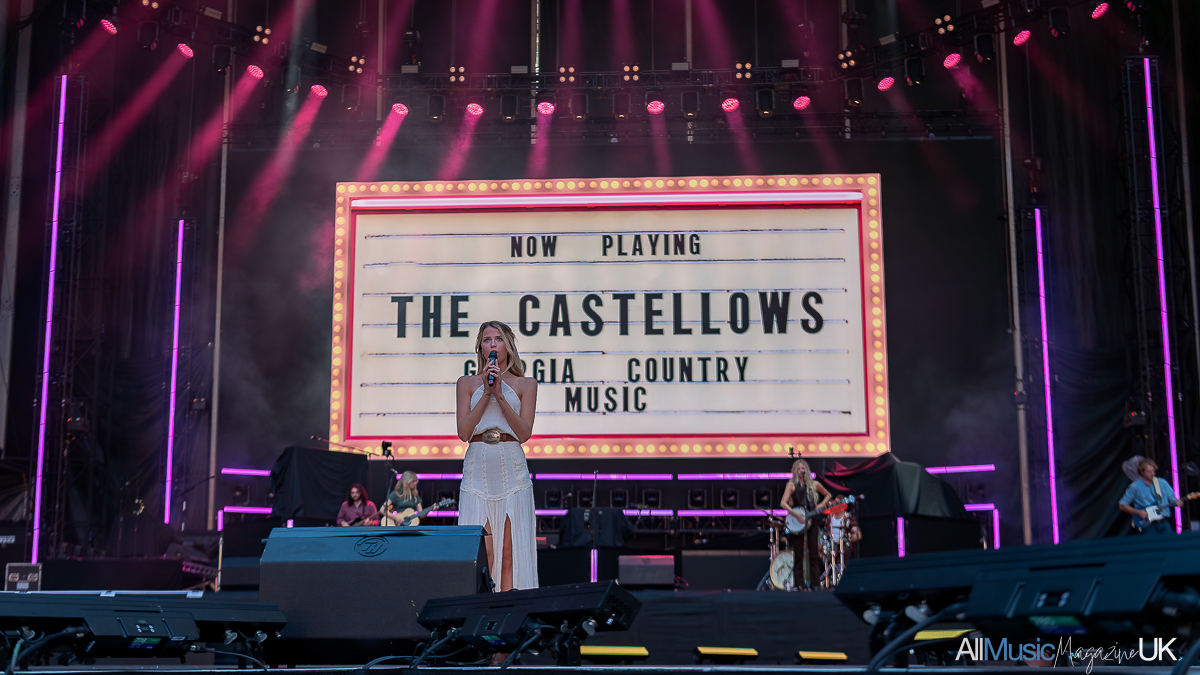
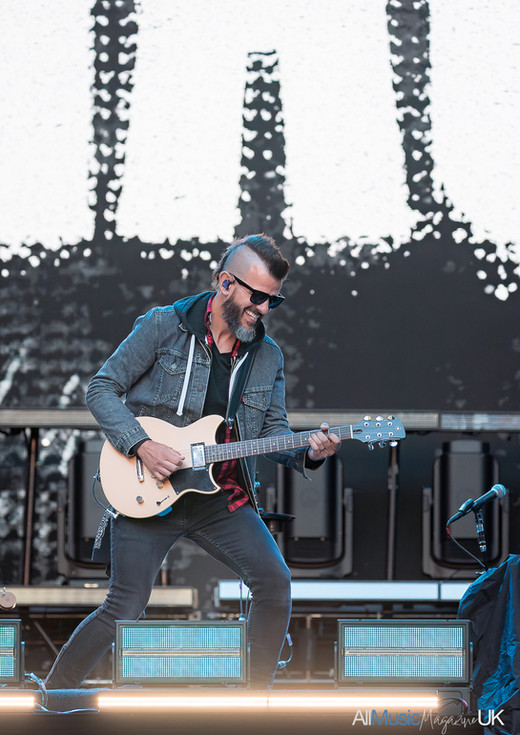
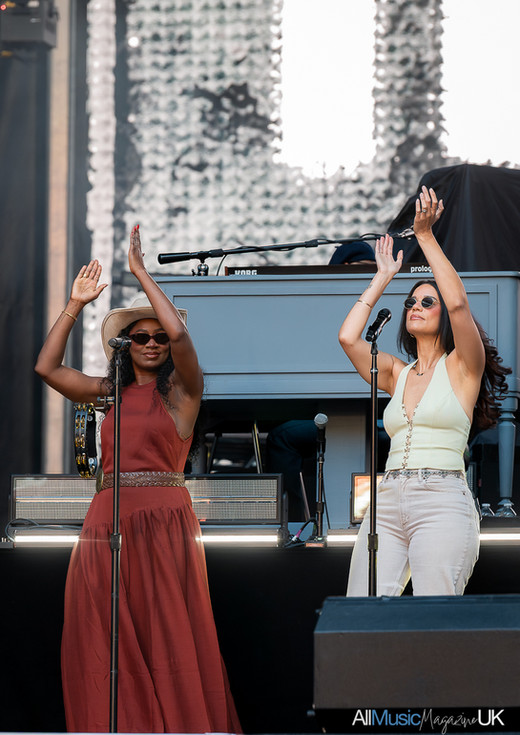
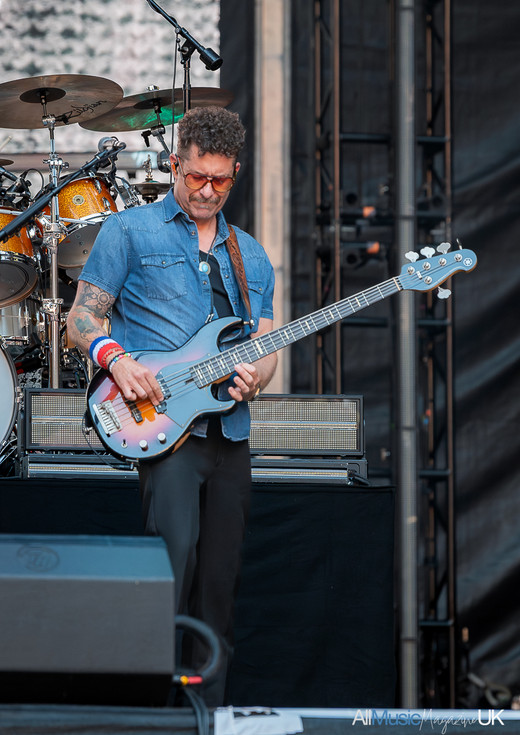
The evening began with The Castellows, whose sibling harmonies floated across Wembley with such effortless grace that they seemed almost immune to gravity. In a stadium environment, subtlety often dies a quick death, crushed beneath distance and scale, but The Castellows somehow made intimacy feel enormous. Their songs carried the spirit of old Appalachian folk traditions while remaining entirely modern, and the harmonies rang out with a purity that cut through the constant hum of anticipation around the stadium. Around me, conversations gradually stopped as people who had been queuing for drinks or searching for their seats found themselves drawn in by those voices.
Every harmony seemed to drift upward into the evening air and settle over the crowd. From where I stood, they felt like a reminder that country music's greatest strength has never been volume or spectacle. It has always been storytelling. Their performance created a sense of place before the headliner had even appeared, grounding the night in the traditions from which all the bombast would eventually emerge.




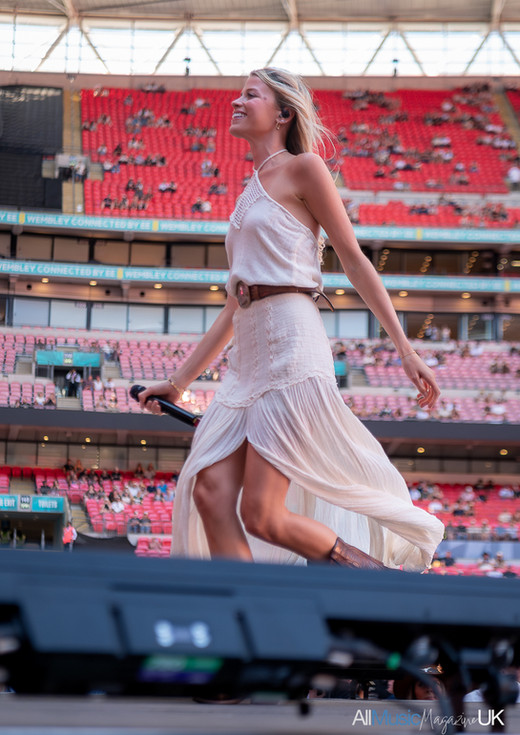






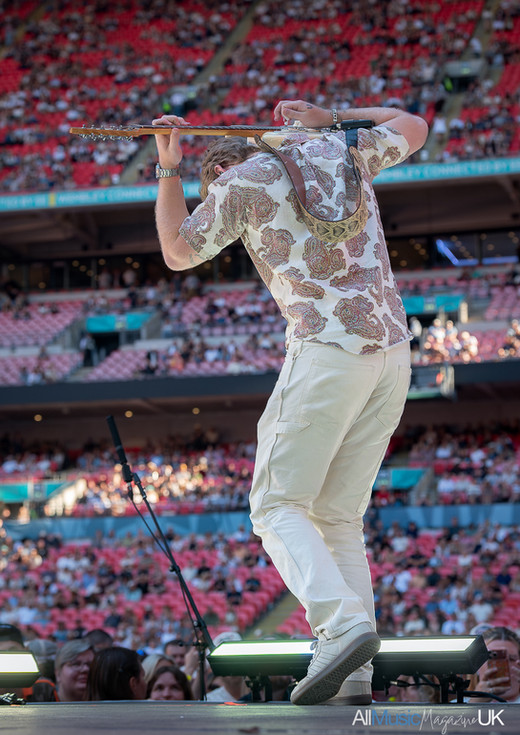
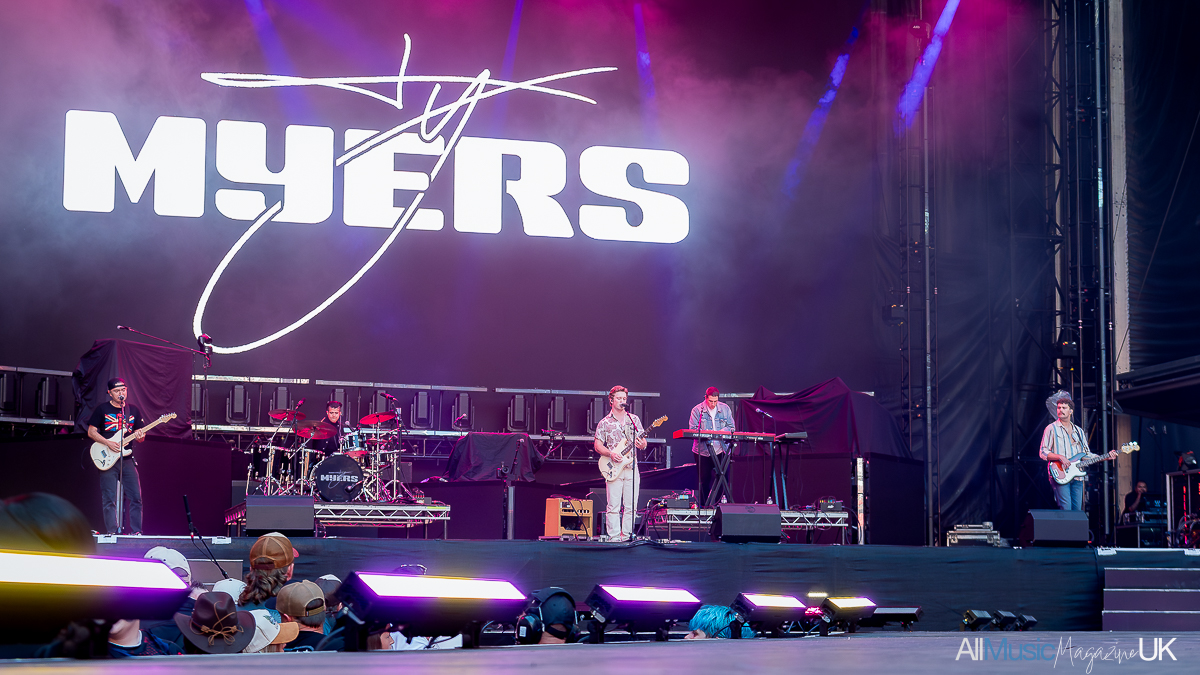
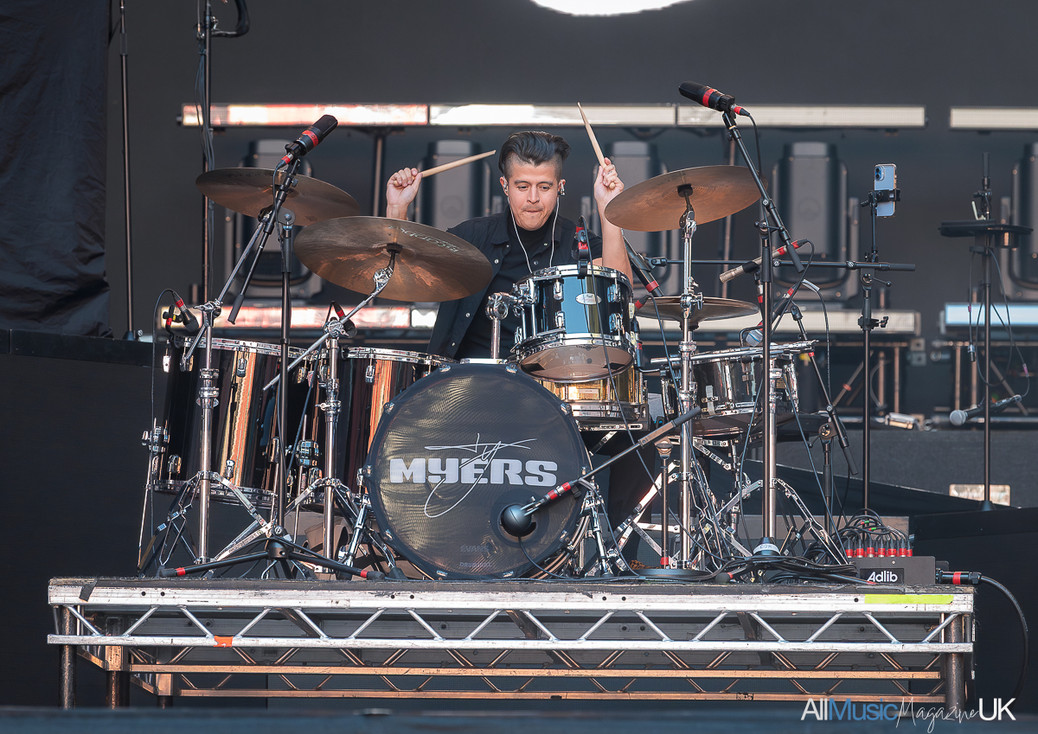
Ty Myers brought a completely different energy. Young, sharp, and possessed with that dangerous combination of confidence and vulnerability that defines so many great country performers, Myers played like someone determined to prove he belonged on this stage. His songs balanced contemporary country influences with a deep affection for traditional sounds, and there was an appealing roughness around the edges that made everything feel genuine. What struck me most was how naturally he handled the enormity of the venue. Wembley can expose performers who haven't quite learned how to command space, but Myers seemed to relish it. By the midpoint of his set, pockets of the audience were already singing hooks back at him, strangers nudging each other and asking, "Who's this guy?" Every strong number seemed to win over another section of the stadium. Those are the victories that matter most for an opening artist, and Myers earned every one of them.





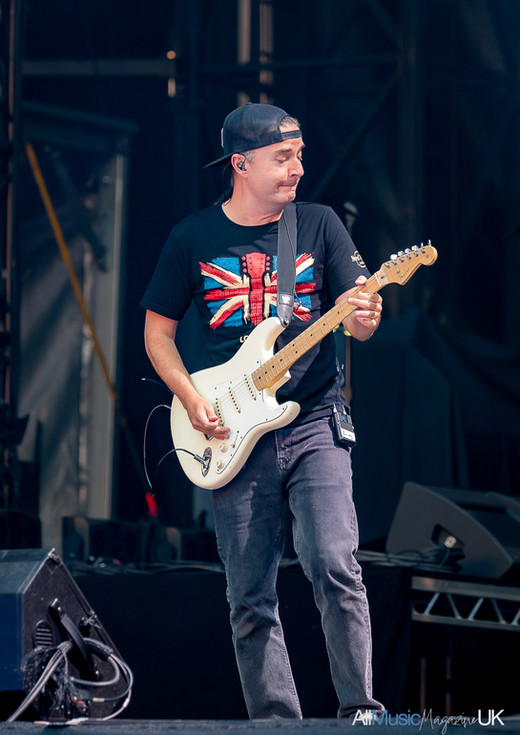








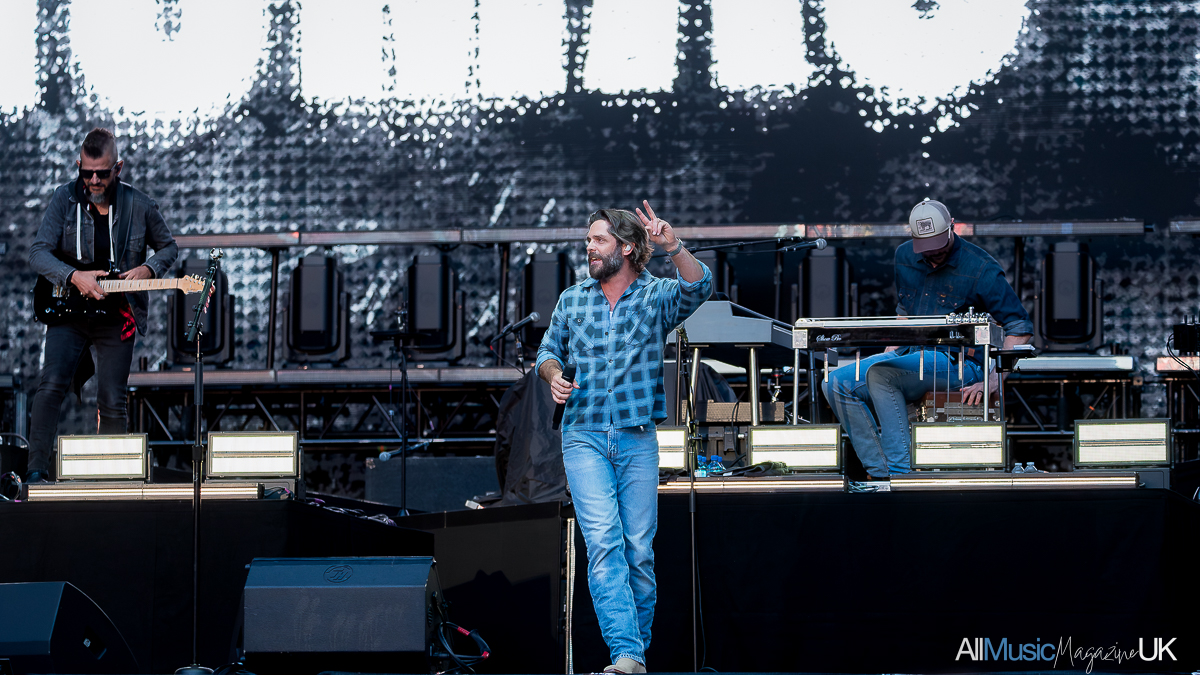
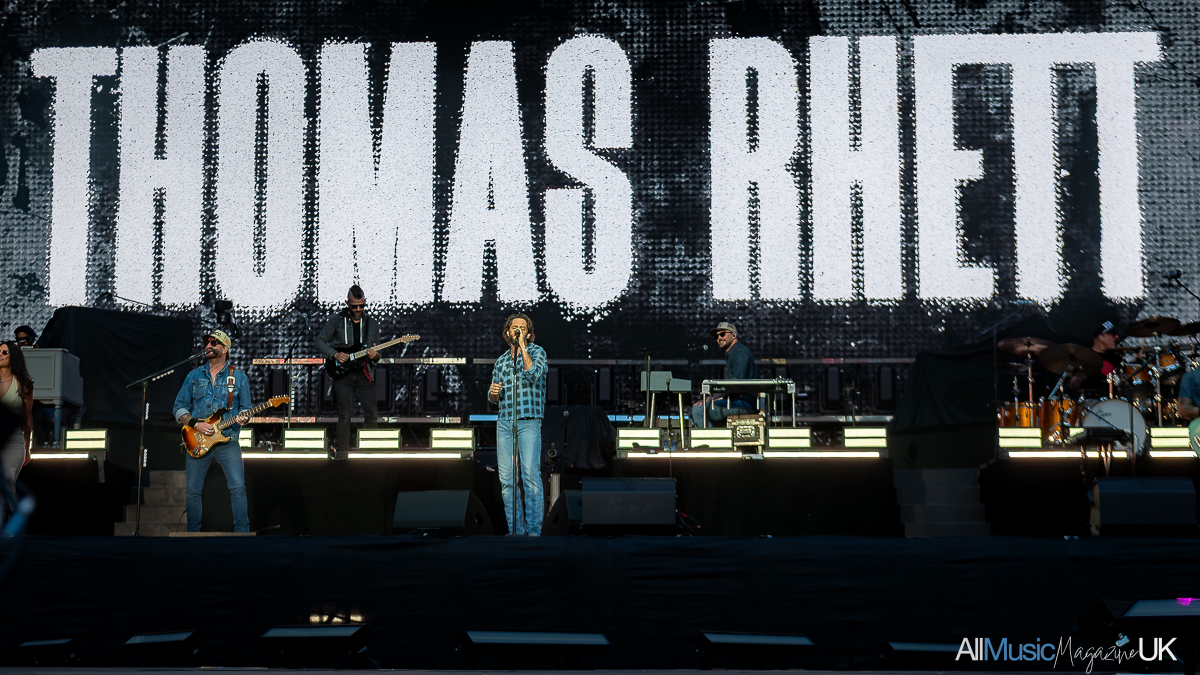
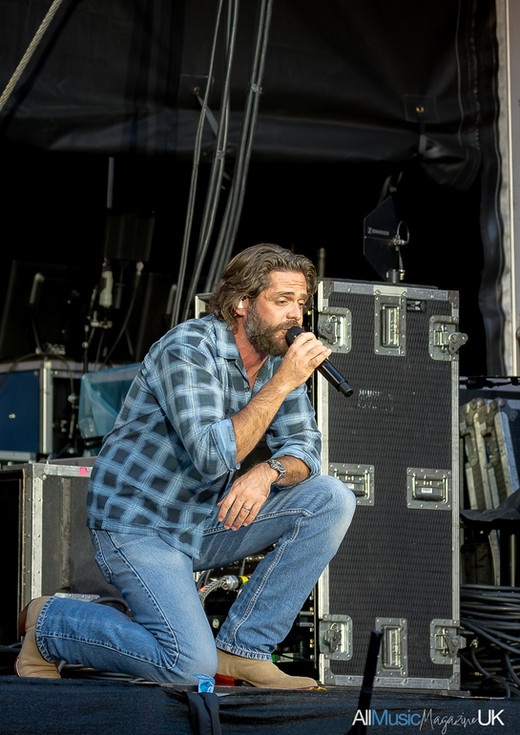
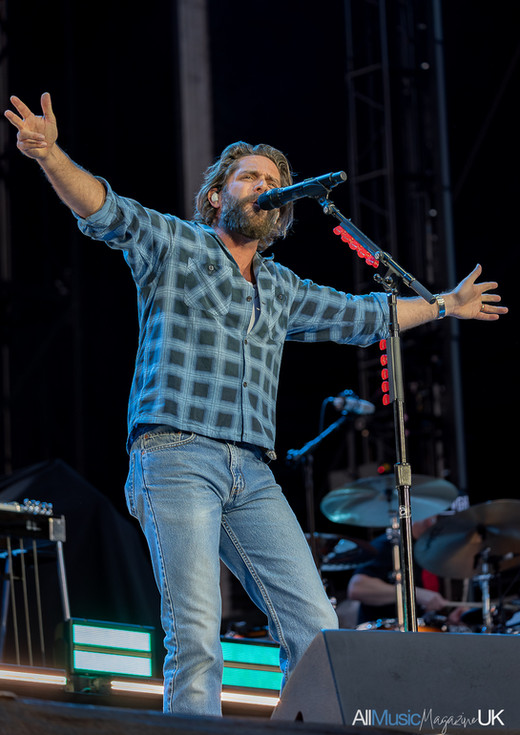
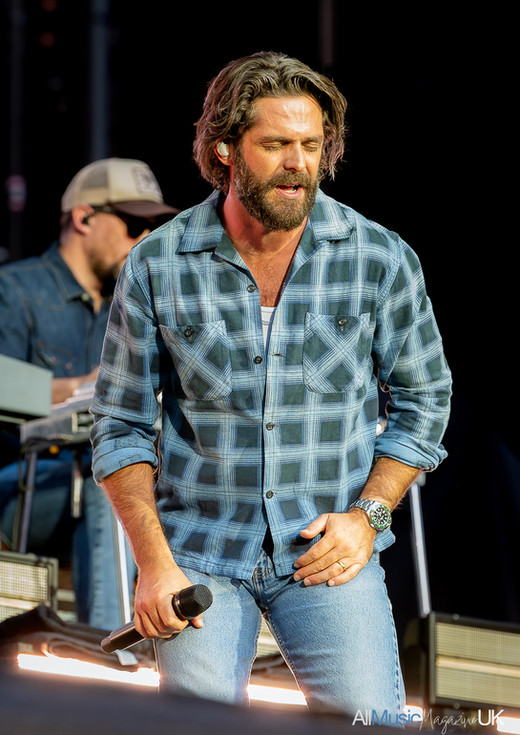
If The Castellows supplied the roots and Ty Myers supplied youthful ambition, Thomas Rhett delivered pure headlining-level professionalism. Rhett's set was bursting with energy from the outset, blending country, pop, soul and Southern rock into a package custom-built for huge venues. He moved around the stage with ease, engaging the crowd without ever seeming forced or calculated. The remarkable thing about Rhett is how effortlessly he bridges different musical worlds. His songs feel equally at home on country radio and mainstream pop playlists, and at Wembley that versatility translated into wave after wave of audience participation. Entire sections of the stadium were on their feet long before Luke Combs appeared, dancing in the aisles, raising drinks into the evening sky and singing along with remarkable enthusiasm for a support act. By the time Rhett walked off stage, the atmosphere felt fully charged. You could feel the anticipation vibrating through the crowd like static electricity.














As the final preparations were made and the stage sat waiting in near darkness, Neil Diamond's "Sweet Caroline" boomed from the stadium speakers. What could have been little more than a pre-show singalong became a spectacle in its own right. More than 80,000 voices, and what felt like every single person inside Wembley, joined in instantly. Strangers threw their arms around each other, pints were raised skyward, and the familiar "so good, so good, so good" echoed around the stadium with astonishing force. The song has become part of the fabric of British sporting and live music culture, and hearing it sung by a crowd of this size was genuinely spine-tingling.
More importantly, it served as the perfect release valve for the anticipation that had been building throughout the evening. By the time the final chorus faded away, the noise inside Wembley had reached fever pitch. Every pause was met by fresh cheers, every flicker of movement on stage prompted a roar of expectation. It felt as though 80,000 people were collectively holding their breath, waiting for the moment Luke Combs would finally emerge. When the house lights dropped and the band took their positions moments later, the stadium was already at full volume before a single note of Combs' set had been played
When the opening notes of My Kinda Saturday Night erupted from the stage, Combs arrived to a roar that felt seismic. The sound of more than 80,000 people greeting him was less applause than detonation. Beer flew into the air. Cowboy hats were launched skyward. Complete strangers wrapped their arms around each other and screamed lyrics before Combs had even reached the microphone. Wembley became a choir instantly. The sheer size of the event was staggering. Every stand was packed, every inch of the stadium seemingly occupied by people who had waited months to be there.
There was no gentle build-up, no ceremonial throat-clearing. The opening barrage of My Kinda Saturday Night, Lovin' On You, Hurricane and She Got The Best Of Me hit like the first four rounds of a heavyweight title fight. Every chorus came back from the crowd louder than the last. Looking around, it felt as though the entire stadium was moving as one giant organism.
What has always separated Combs from many of his contemporaries is his understanding that country music lives and dies on emotional honesty. Tell 'Em About Tonight and One Number Away landed with tremendous force because these songs are rooted in familiar heartbreak. The reaction from the audience was extraordinary. People threw their heads back to sing every word, voices cracking, arms raised skyward. Thousands of phone screens lit up the stadium like stars scattered across a dark countryside. For a few minutes Wembley ceased to feel enormous. It felt intimate, as if eighty thousand people were all remembering the same heartbreak at exactly the same time.
One of the strengths of Combs' set was the way it pulled together material from across his career rather than simply relying on the obvious hits. "Houston, We Got A Problem," "Sleepless In A Hotel Room," "Rethink Some Things" and "My Kinda Folk" showcased the depth of his catalogue, giving the evening a broader emotional and musical range. These weren't songs included simply to fill space between the big singalongs. They are fan favourites that reveal different sides of Combs as a songwriter, from self-reflection and uncertainty to pride in his roots and upbringing. What impressed me was the crowd's willingness to embrace every one of them. There was none of the polite applause that often greets deeper cuts. Instead, each song was met with genuine enthusiasm, huge cheers and passionate singalongs from fans who clearly knew every word already.
The emotional centre of the evening arrived with Forever After All and Better Together. Suddenly Wembley was transformed into a shimmering constellation. Phone lights flickered from every tier of the stadium, turning the crowd into a galaxy of tiny white stars. Couples embraced. Friends stood arm in arm. You could see people wiping tears from their eyes. Cynicism feels pointless during moments like this. Tens of thousands of voices merged into one enormous, trembling chorus that seemed to echo around the stadium long after each song ended.
The pace shifted once more with Back In The Saddle, Must've Never Met You and The Kind Of Love We Make, before Doin' This arrived as something close to a mission statement. Watching Combs sing about his love of performing in front of a packed Wembley Stadium created an interesting kind of contradiction. Here was one of the biggest stars in modern music insisting that he'd be doing this whether there were eighty thousand people watching or eighty. The crowd responded with one of the loudest ovations of the night. It felt less like applause and more like a collective thank-you.
By the time he reached Be By You, Going, Going, Gone and Beautiful Crazy, the distinction between artist and audience seemed to dissolve completely. During Beautiful Crazy there were moments when Combs simply stepped back from the microphone and let Wembley do the work. The resulting roar was staggering. It rolled around the stadium like thunder. You could actually feel the sound vibrating through the plastic seats and the concrete beneath your feet.
Then came perhaps the evening's most joyously unhinged moment. The covers medley of "Crazy Train," "She Will Be Loved," "Billie Jean," "I Don't Wanna Miss A Thing" and "Something Like That" felt like a celebration of the music that has soundtracked countless road trips, wedding receptions, pub nights and parties. Heavy metal collided with pop, rock collided with country, and for a few glorious minutes genre ceased to matter. The crowd's reaction bordered on delirious. Every song triggered a fresh eruption of recognition. People laughed, pointed at their friends and sang with the uninhibited enthusiasm of karaoke singers who had completely forgotten there were eighty thousand other people in the room. Wembley became one giant pub after closing time. It was messy, loud, slightly absurd and completely wonderful.



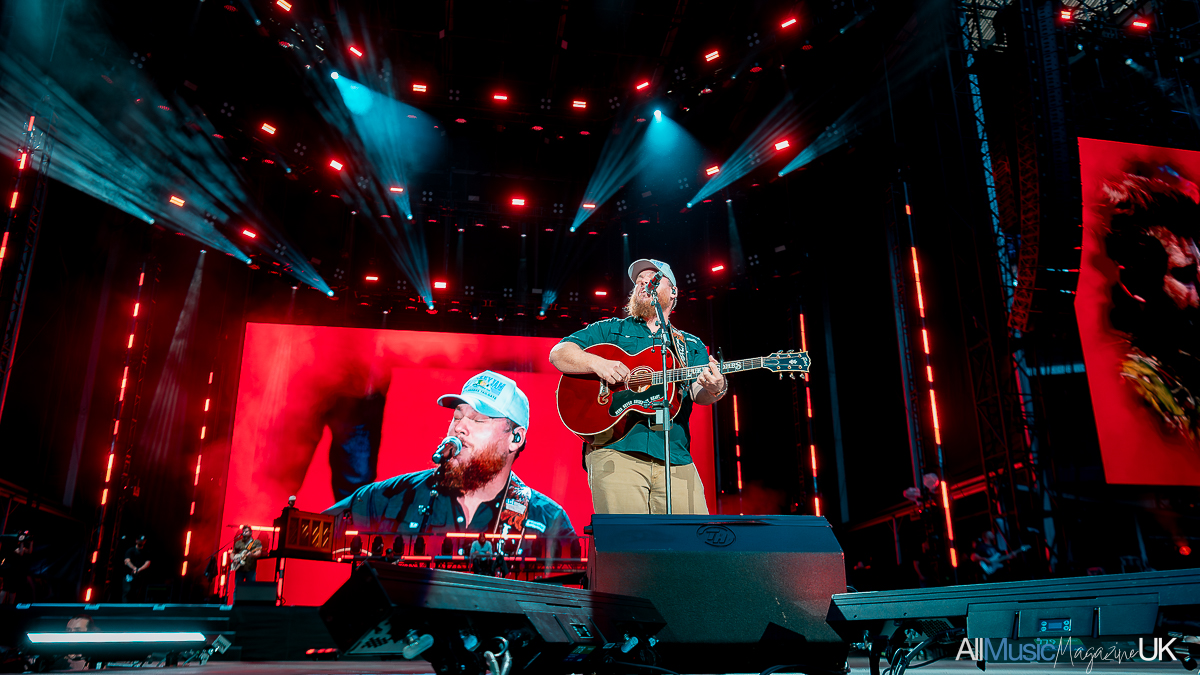



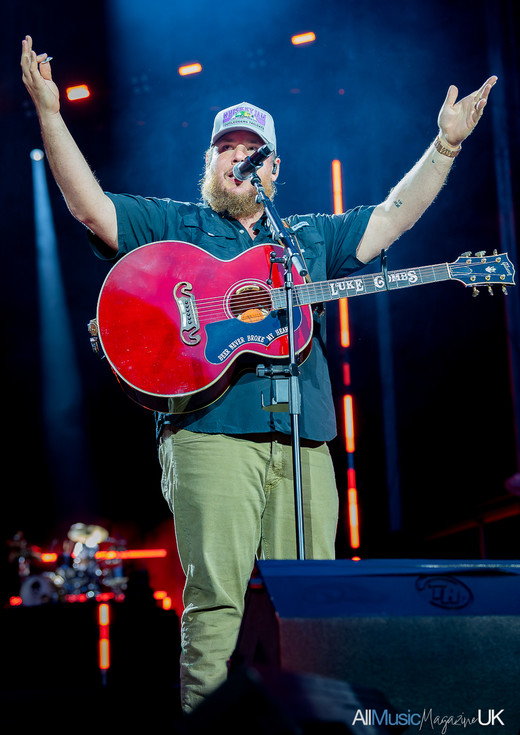








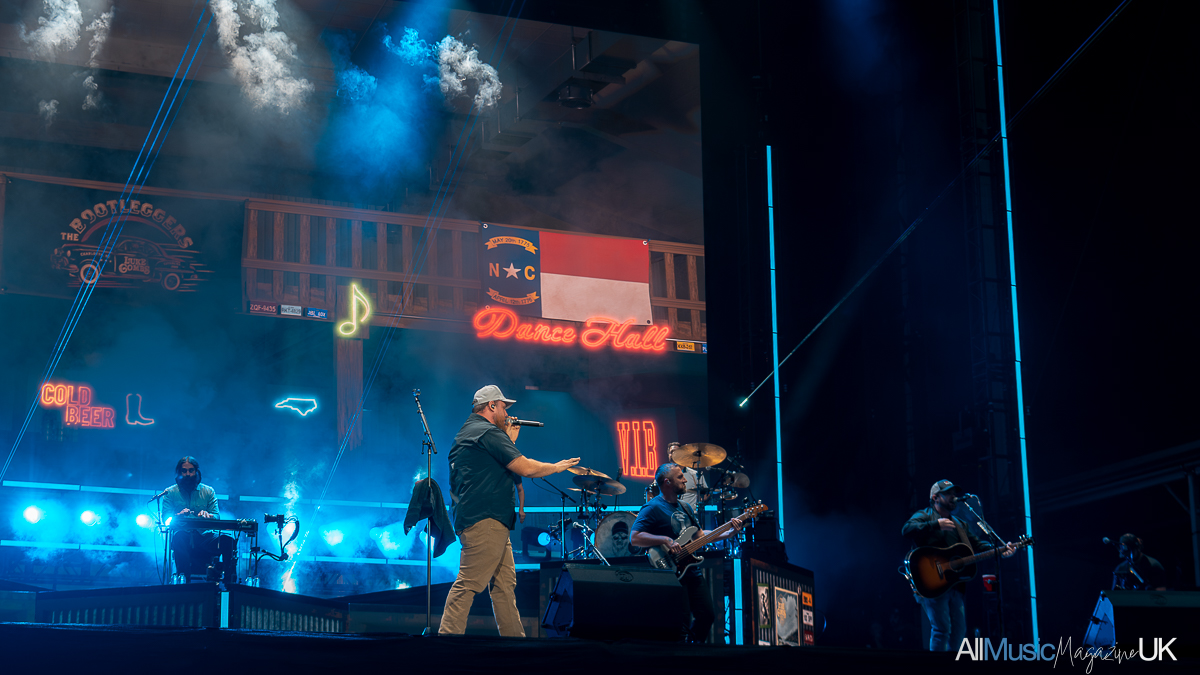


His rendition of Ed Sheeran's Dive provided one of the night's most unexpected highlights. There was an audible surge of excitement as the opening notes rang out, the local connection clearly resonating with the London crowd. Combs approached it with complete sincerity, and the audience rewarded him with a mass singalong that stretched from pitch level all the way to the furthest reaches of the upper tier.
As the show approached its climax, Cold As You and When It Rains It Pours generated some of the loudest crowd responses of the evening. During the latter, every punchline landed with explosive cheers, and every chorus was shouted back with the force of a football terrace anthem. The atmosphere was pure celebration, eighty thousand people laughing, singing and raising their drinks in collective approval.
Then came the most uniquely London moment of the night during 1, 2 Many, when former Chelsea captain John Terry emerged onstage.
The reaction was immediate, if not entirely unanimous. A cheer rolled around large sections of Wembley, particularly among Chelsea supporters, while elsewhere the response was noticeably more muted. It created one of the few genuinely surprising moments of the evening, a reminder that bringing a prominent football figure onto a stage in London is always likely to provoke a range of reactions.
Terry looked delighted to be there, raising a drink alongside Combs as 1, 2 Many unfolded into its usual beer-soaked celebration. The appearance never threatened to overshadow the song itself, but it added a distinctly local flavour to an otherwise deeply American spectacle. There was something enjoyably surreal about watching one of English football's most recognisable figures sharing a stage with one of country's biggest stars, even if not everyone in attendance was equally thrilled by the sight of him.
Beer Never Broke My Heart followed, delivering the evening's final pre-encore explosion of energy. If the crowd had somehow been holding anything back, they unleashed it here. Drinks were raised in every direction. Entire rows bounced in unison. The chorus came back so loudly that it almost overwhelmed the band's performance. Standing there in the middle of it, surrounded by thousands of fans screaming every word into the night sky, it felt less like the end of a concert and more like the climax of some enormous communal ritual.
The encore elevated the night from excellent to unforgettable. Fast Car arrived first, transforming Wembley into one enormous singalong. There was a reverence to it unlike anything else all evening. Tens of thousands of voices carried the verses with almost devotional intensity. When the chorus arrived, it felt as though the entire stadium lifted off the ground. Tracy Chapman's masterpiece has become an unlikely cornerstone of Combs' live show, and hearing it sung by a crowd of this size was genuinely breathtaking.
Where The Wild Things Are reminded everyone that Combs remains one of country's strongest storytellers, while Ain't No Love In Oklahoma provided a thunderous conclusion. Fire and light erupted across the stage as the crowd gave everything they had left. The final chorus was hurled back towards the stage with astonishing force, the kind of noise normally associated with title-winning football matches rather than country concerts. When the last notes faded, nobody seemed particularly eager to leave. Fans lingered in the aisles, still singing snippets of choruses, still replaying favourite moments, still trying to absorb the sheer scale of what they had witnessed.
What made this concert remarkable was not merely its scale, though the scale was almost absurd. More than 80,000 people attended this first sold-out Wembley show, with two further sold-out nights still to come. Few country artists in history have achieved anything remotely comparable in the United Kingdom. Yet despite the enormity of the occasion, Luke Combs somehow kept the focus on ordinary people and ordinary emotions. He does not perform like a superstar trying to convince you of his greatness. He performs like a fan who somehow found himself standing in front of eighty thousand people and still can't quite believe his luck.
For one night, Wembley Stadium ceased being England's most famous football ground and became the centre of the country music world. Luke Combs was the bartender, the bandleader and the preacher all at once. Beneath the giant screens, the booming sound system, the occasional celebrity cameo and the stadium-sized production remained something surprisingly simple: songs about love, loss, friendship and home. The tears, the laughter, the deafening singalongs and the remarkable sense of shared joy lingering long after the lights came up suggested that everyone in attendance knew they had witnessed something genuinely historic. Night one of three sold-out Wembley Stadium shows was more than a concert. It felt like a statement about just how far country music has travelled, and just how much further it still has to go.
SETLIST
My Kinda Saturday Night
Lovin’ On You
Hurricane
She Got The Best Of Me
Tell ‘Em About Tonight
One Number Away
Houston, We Got A Problem
Sleepless In A Hotel Room
Rethink Some Things
My Kinda Folk
Forever After All
Better Together
Back In The Saddle
Must’ve Never Met You
The Kind Of Love We Make
Doin’ This
Be By You
Going, Going, Gone
Beautiful Crazy
Crazy Train/She Will Be Loved/Billie Jean/I Don’t Wanna Miss A Thing/Something Like That
Dive (Ed Sheeran cover)
Cold As You
When It Rains It Pours
1, 2 Many (John Terry on Stage)
Beer Never Broke My Heart
ENCORE:
Fast Car (Tracy Chapman cover)
Where The Wild Things Are
Ain’t No Love In Oklahoma
FOLLOW LUKE COMBS